



Uganda is using the 140th Canton Fair in China to showcase its agricultural products, cultural items and locally made crafts to international buyers, with the country’s delegation reporting promising business connections on the exhibition’s opening day.
The Ugandan pavilion features coffee, tea, cocoa, shea butter and crafts, as the delegation seeks to introduce local producers to potential buyers and explore opportunities to expand the country’s access to international markets.
Uganda’s Consul General in Guangzhou, Ambassador Judyth “Juju” Nsababera, said the first day of the exhibition had already produced encouraging business engagements.
Although details of the prospective partnerships have not been disclosed, the early engagements offer an opportunity for Ugandan businesses to establish commercial relationships beyond their existing markets.
The country’s participation is also intended to increase the international visibility of Ugandan products while strengthening commercial relations between Uganda and China.
Uganda’s exhibition focuses on products that represent its agricultural and cultural output, with coffee, tea, cocoa and shea butter among the items displayed at the pavilion.
Locally made crafts are also part of the presentation, giving visitors an opportunity to explore products beyond the country’s agricultural exports.
The exhibition goes further than displaying finished goods, with the Ugandan pavilion also highlighting the stories and communities behind the products.
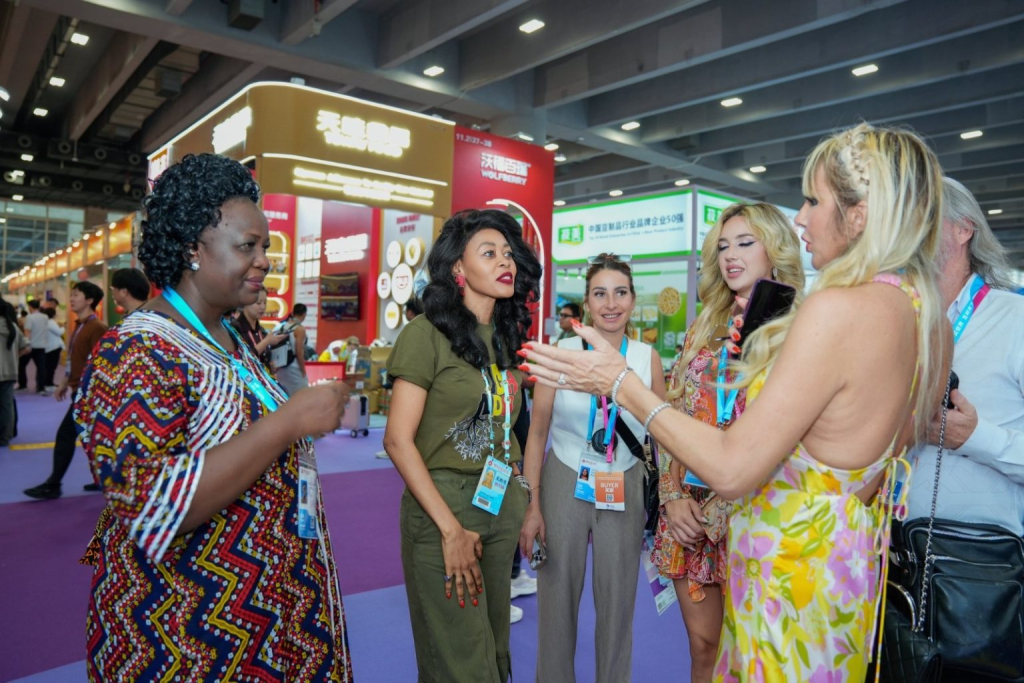
This approach places attention on the people and local producers involved in bringing Ugandan products to market.
For the delegation, the exhibition provides an opportunity to engage potential business partners, identify new markets and understand the requirements of international buyers.
Uganda’s exhibition is located at Hall 11.2, J34–35 and K13–14, where visitors can meet the delegation and discuss possible business and trade opportunities.
Ambassador Nsababera has encouraged visitors to explore the pavilion and engage with the Ugandan representatives.
She described the importance of the conversations taking place at the exhibition, particularly their potential to create new commercial relationships.
“Every conversation is a chance to build a new partnership, open a market or help more people discover what Uganda has to offer,”
Uganda’s participation comes during Phase Three of the 140th Canton Fair, which runs from October 31 to November 4, 2026, under the theme “Better Life.”
The third phase covers an exhibition area of 515,000 square metres, with 25,000 exhibition booths distributed across 21 exhibition zones.
The zones are organised into five major categories: Toys, Children & Baby Products; Fashion; Home Textiles; Health & Leisure; and Stationery.
More than 12,000 exhibitors are participating in this phase, including over 3,100 businesses described as high-quality enterprises.
The scale of the exhibition provides Ugandan businesses with an opportunity to interact with participants from different markets and explore potential commercial relationships.
For exporters, such engagements can help establish what international buyers are looking for, identify possible distribution partners and understand the expectations associated with entering new markets.
Uganda’s presence also places products such as coffee, tea, cocoa and shea butter before an international audience, creating opportunities to explore demand beyond the domestic market.
However, the exhibition’s value will ultimately depend on whether the initial conversations develop into practical business arrangements that benefit local producers and exporters.
The Canton Fair provides an international platform for businesses to present their products and engage buyers interested in sourcing goods from different markets.
Uganda’s participation is part of efforts to strengthen its commercial links with China while creating opportunities for locally produced goods to reach international customers.
For the agricultural sector, greater exposure to potential buyers could help producers explore new markets for products such as coffee, tea and cocoa.
The inclusion of shea butter and locally made crafts also broadens the range of Ugandan products being presented to international audiences.
Beyond finding customers, the engagements can help Ugandan exporters better understand international market requirements and explore partnerships that could support their businesses.
The exhibition therefore offers more than a promotional opportunity. It provides a setting where local businesses can begin conversations with potential commercial partners and assess opportunities for future trade.
Nevertheless, the specific companies represented in Uganda’s pavilion have not been identified, and the number of Ugandan businesses participating has not been disclosed.
Uganda’s delegation is expected to continue engaging potential buyers and business partners as Phase Three of the 140th Canton Fair progresses towards its scheduled conclusion on November 4.
The immediate focus remains on promoting the country’s products, identifying potential markets and exploring opportunities that could connect local producers with international buyers.
It is not yet clear whether the business connections reported on the opening day have resulted in formal agreements, export orders or investment commitments.
The distinction is important because initial business discussions do not necessarily translate into completed transactions.
Further details about the companies involved, the buyers expressing interest and any agreements reached would help establish the direct commercial benefits of Uganda’s participation.
Uganda at Canton Fair 2026 presents an opportunity for the country to take its agricultural products, crafts and cultural identity to an international audience while building relationships that could support future exports.
The reported business connections on the first day provide an encouraging start, but their eventual impact will depend on whether the engagements develop into concrete commercial opportunities.
As the exhibition approaches its November 4 conclusion, the delegation’s continued interactions with international buyers could help determine how far Uganda’s presence translates into stronger market access for local producers.

